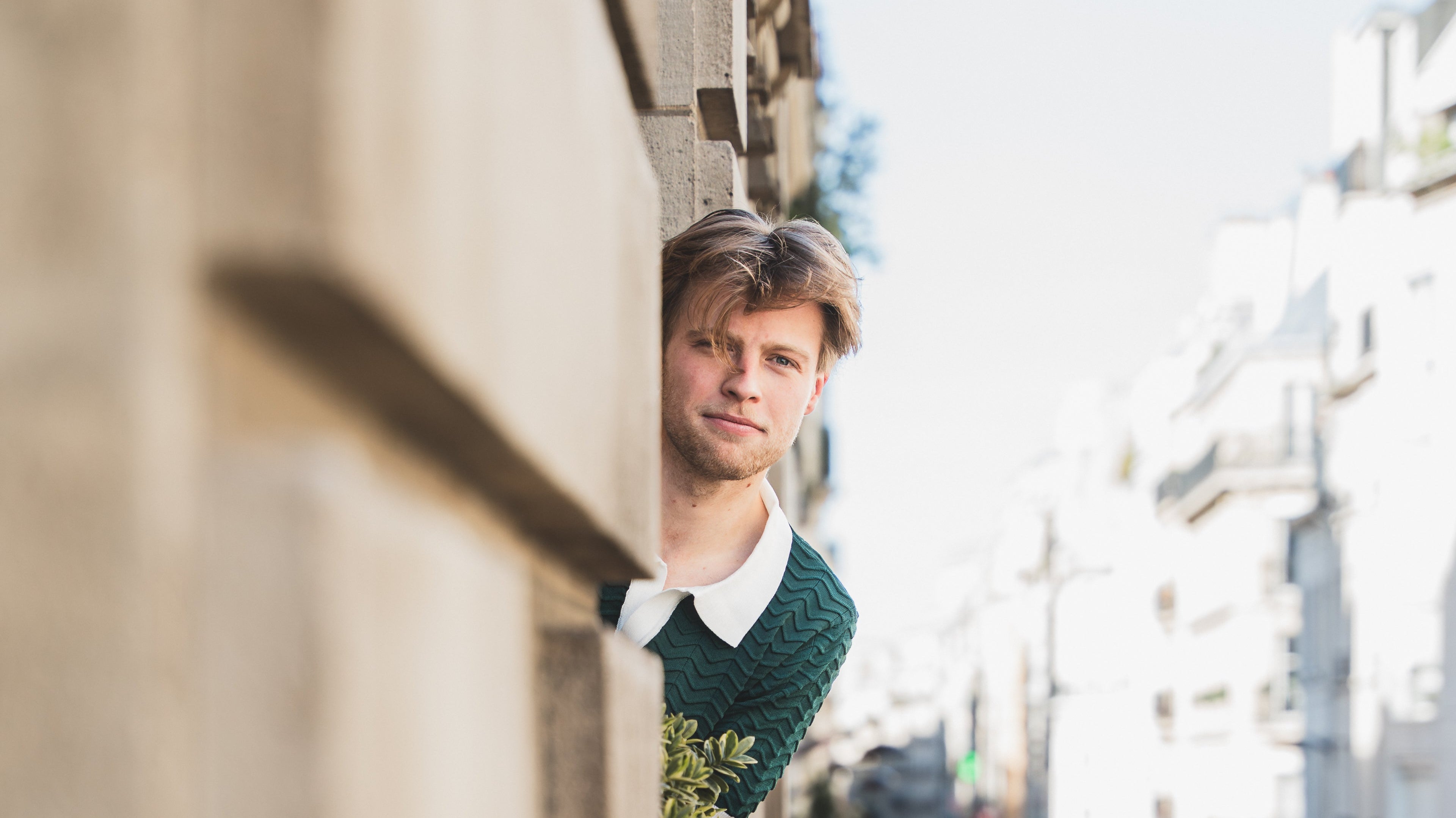




Lindsay-Jane Ackers hopes to increase opportunities for women and girls to fall in love with squash after becoming the first female captain in the 111-year history of Aberdeen Squash and Racketball Club.
The 32-year-old is a long-standing member of the seven-court club in ‘the Granite City’ in north-east Scotland and describes it as “her second home.”
She told Squash Player: “Being appointed club captain makes me very proud. I absolutely love this squash club to bits. It holds a very, very special place in my heart. The squash club has given me some of my best friends in the world, it’s kept me fit, it’s got me through some incredibly difficult times in my life and I’m grateful to be able to give back to the club and its community.
“I’m almost part of the furniture here and I’ve had so much support [since being made captain]. I didn’t really expect anything else because the members are such a fantastic bunch. I would like to thank everybody involved in getting the club back to where we are now after Covid, which was a hugely difficult time for us and all squash clubs. That work will hopefully allow me and the Committee to take it to the next level.”
ASRC won the men’s European Club Championships in 2009 and can boast the like of former world champion Peter Nicol as past members. Although the club doesn’t quite compete at that level now, Lindsay-Jane is determined to build back towards its illustrious former glories.
“In time, we will absolutely be back competing as one of the best in Scotland, I’m sure of that,” she said. “We’re building on a great foundation from the previous committees, whose work after Covid has really set us up for success.”
Part of that future success will be addressing the club’s 13% female membership ratio. Lindsay-Jane will be encouraging the club’s female members to join the Women In Scotland Playing Sport (WISPS) initiative and Scottish Squash’s H//T programme wherever possible.
Lindsay-Jane advises other clubs to do everything they can to simply get a women’s team together, so other women and girls are given role models who give them the confidence to open that court door for the first time, or take that step from beginner class to competitive play.
“One of the main things is to get a team together to compete at as high a level as possible, even if you know it’s not going to be a ‘winning’ team,” she said. “Just the fact you’re out there, competing and turning up gives other women the hope, vision and aspiration to come along and play. How cool is that?
“Once they see that, they can help juniors come along and can join local leagues. It’s creating that vision. When I was a junior here, a couple of ladies took me under their wing and within a couple of years I was competing with beating them. It created a platform for me to get involved with the wider club community.”
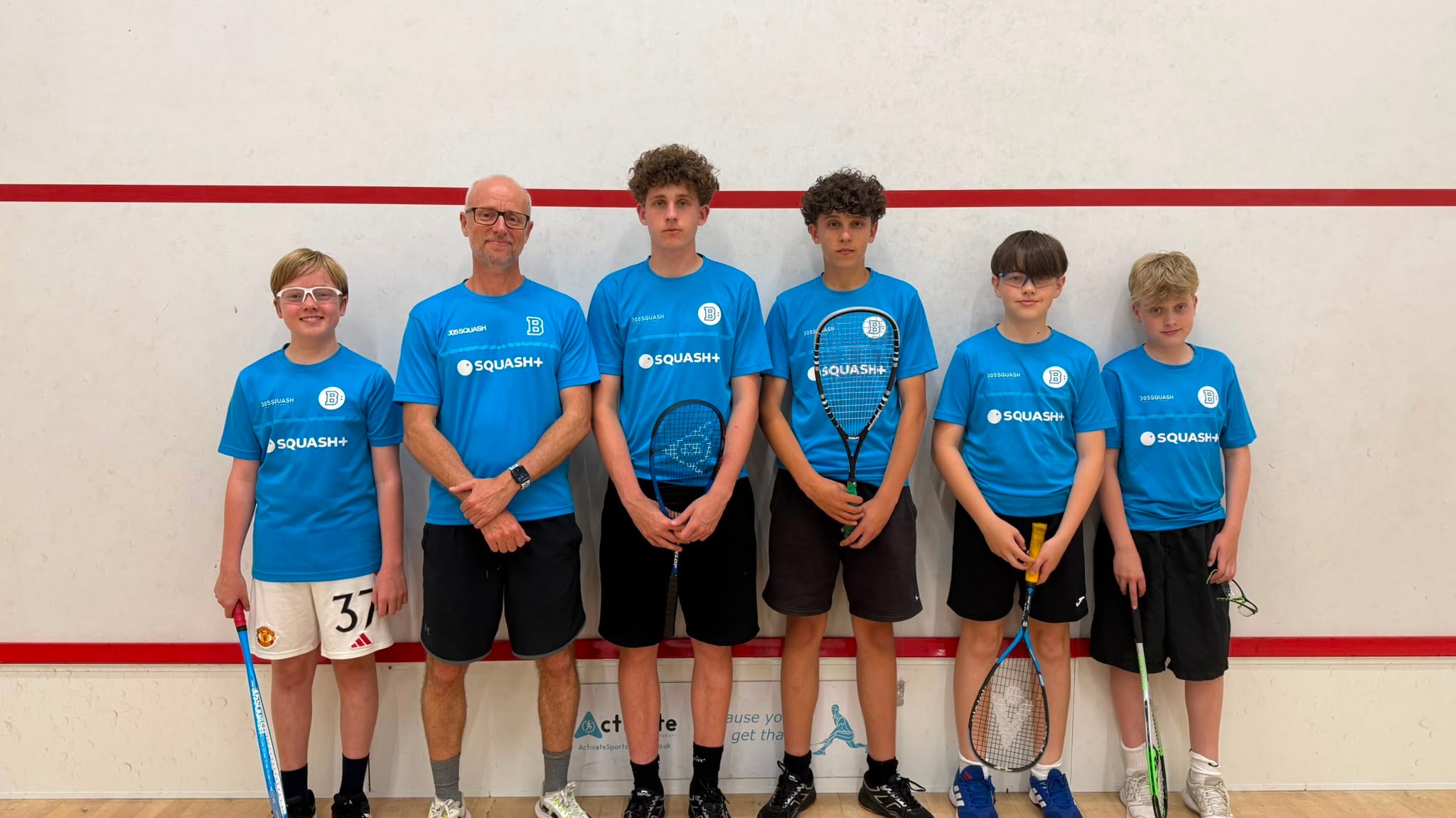
ASRC has just appointed its first paid club coach for many years, Joe Ewen, and his initial sessions last week were sold out. There are also several incredible volunteers who are instrumental in the junior movement at the club. Lindsay-Jane hopes to build towards women-only sessions and hopes to see a re-established local ladies’ league in Grampian. Last season, Lindsay-Jane brought the club’s first ever women’s only team together to compete in the Scottish National League and the club’s junior section has a good mix of boys and girls – many of whom came in through the volunteers, and forging links with local schools – so the future looks bright.
With competition from new sports like padel and pickleball offering the racket sports-playing public more choice, times are hard for many old-school squash clubs which are unable to diversify their offer. It’s to Aberdeen’s great credit, then, that it is able to continue to thrive. They’ve done so partly by identifying additional revenue streams (hiring out their function room for a variety of events including bagpipes clubs, baby classes and parties) and maintaining a very strong social scene.
“The social side is essential,” says Lindsay-Jane. “We have a really strongly-knit community and we’ve created an environment people want to come back to time and time again.
“After playing at a relatively high level as a junior, I went to uni then came back and re-joined the club two years ago during some very difficult family circumstances. That was when the penny dropped that actually this place is like a second home. It’s that feeling of comfort. I used to play tennis and do swimming, but I can’t match them up with the feeling that you get when you go into your squash club. It’s very special.”