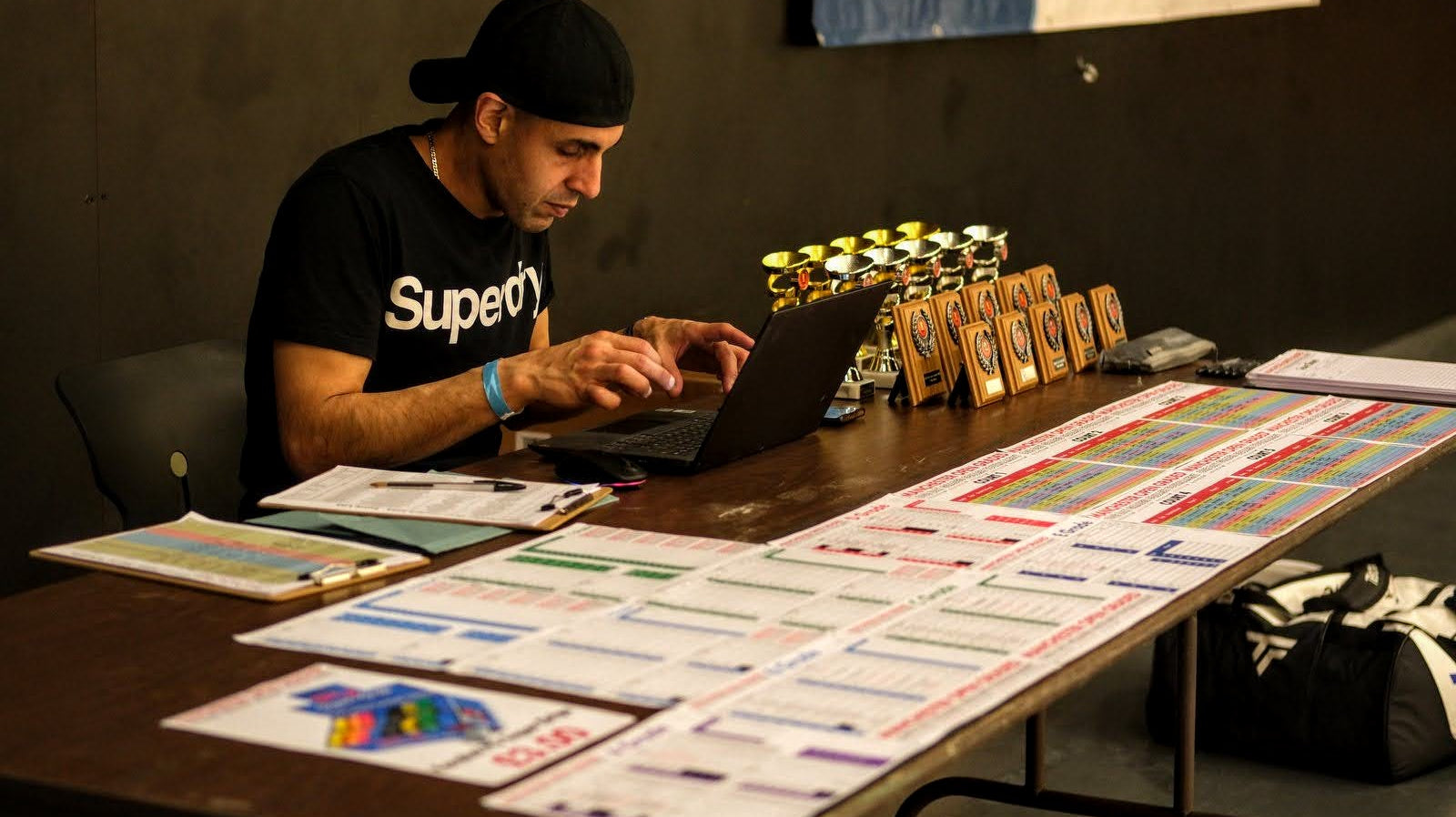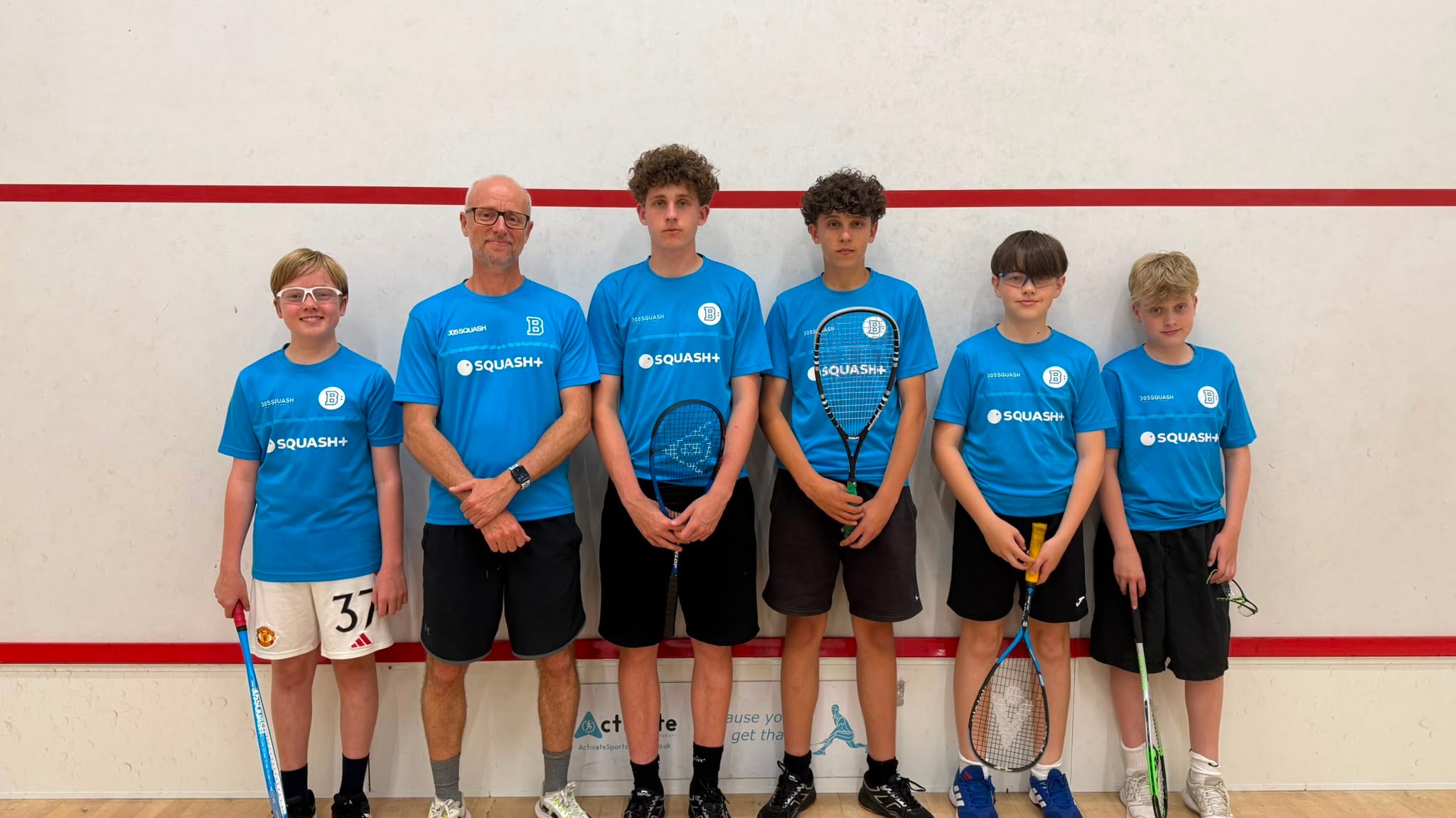




The North Wales Open is not short of scale. Across the final weekend of February, the amateur tournament brought together 96 players from 24 clubs, contesting 148 matches across grades A to K.
But while the higher divisions delivered the expected mix of competitive club squash and ranking battles, it was the lowest grade in the draw that quietly produced the event’s most intriguing innovation.
For Grade K — restricted to players under 300 on Squash Levels — organisers rewrote the rulebook slightly.
Instead of using the standard double yellow dot ball that dominates competitive squash, all Grade K matches were played with a red dot ball, which is significantly livelier and easier to keep in play.
On top of that, players were given two attempts to get their serves in, akin to the format used in Tennis, designed to reduce the chances of points ending abruptly through unreturned serves - while players also served for two consecutive points, from each side of the court, irrespective of who won the point.

The thinking behind the change was simple: create an environment where newer and developing players could experience competition without the stop-start frustration that often accompanies beginner-level squash.
For players still developing their control, a double yellow dot ball can be a struggle to even warm up properly, particularly in amateur environments where matches are played on colder courts and rallies are shorter. The result can often be matches dominated by serves and errors rather than rallies.
By switching to the red dot ball, organisers hoped to extend rallies, encourage rhythm and allow players to develop a better feel for the flow of match play - while the initiative went further with Grade I (Squash Levels <1000) and Grade J (Squash Levels <600) competing with a single dot ball.
The additional serve rule complemented that goal. With two attempts from each service box, players could serve more confidently without the fear that a single mis-hit would immediately hand over the point.
Together, the changes aimed to introduce players to several core aspects of competitive squash: serve rotation, rally construction and match rhythm — elements that can sometimes be lost when beginners step into traditional tournament formats too quickly.
The experiment appears to have worked.
Tournament organiser Shaun Sullivan said: “The whole idea was to make the experience enjoyable for people entering their first tournament.
“Within a few points players realised the format encouraged rallies and proper exchanges instead of matches being decided by who had the biggest serve. Once people got into it, they loved it. You could see players relaxing, getting into rallies and actually enjoying the match experience.
“If we want more people entering tournaments and sticking with the sport, formats like this really help, so it’s something OLIVER will definitely keep using at future events.”
Crucially, the concept will return. Following the success of the trial, the North Wales Open plan to repeat the Grade K format in future editions of the event.
Yet the idea raises a broader question for the amateur game: should more tournaments be willing to adjust equipment and rules depending on ability level?
For decades, squash competitions have largely adhered to the same match ball — the double yellow dot — regardless of grade. While appropriate for elite and advanced players, it is often far less forgiving for those still developing their skills.
The argument could be made - and has been made by Squash Player before - that the ball used in competitive play should be linked to a players Squash Levels rating; not only would this simplify the incomprehensible-to-beginners coloured dot system, it would also remove the problem of less-skilled or ageing players stubbornly playing with an inappropriate ball due to their egos.
The North Wales Open shows there is room for a more flexible approach.
If the aim of grassroots tournaments is not only to crown winners but also to encourage participation, improve levels of play, confidence and development, then adapting formats for lower levels could offer a practical solution.
Longer rallies, better rhythm and a more enjoyable match experience may ultimately keep players coming back — both to tournaments and to the sport itself.
What began as a small adjustment at the bottom of a tournament draw may therefore point towards something bigger: a blueprint for making competitive squash more accessible without changing the essence of the game.