Squash, like all sports, promotes itself as inclusive. But when young people or adults from ethnically diverse backgrounds turn up and grab a racket, what is their experience?
That was the impetus behind new research that looks into the role of community, identity and opportunity in our sport as it ticks down towards its Olympic debut at LA28.
The research, titled Access Is Not Belonging: Negotiating Psychological Sense of Community and Social Capital in U.S. Squash, was published on 10 October by Weusi and Eric Legg, associate professor in the School of Community Resources and Development at Arizona State University.
Weusi, a platform 'dedicated to expanding cultural diversity, community outreach, and representation in squash', was founded by James Dodson, a former publishing executive, lifetime board member of Chicago's MetroSquash, Chair of the U.S. Squash Judiciary Committee and Co-chair of the Black Squash Alliance.

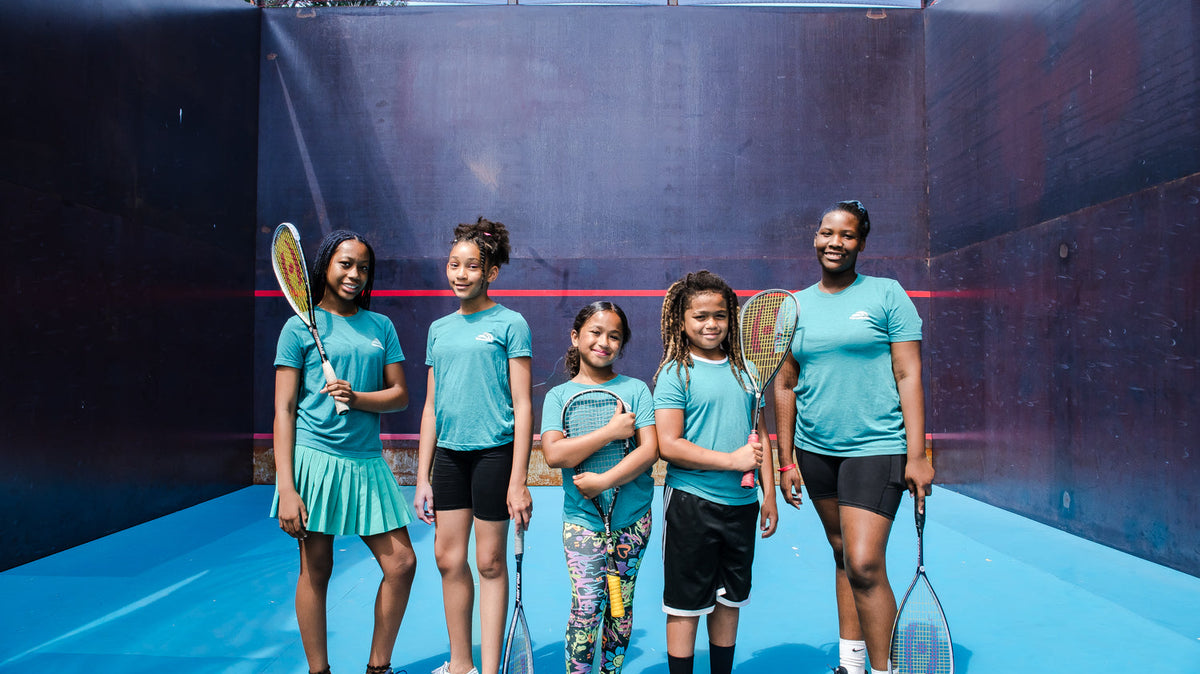
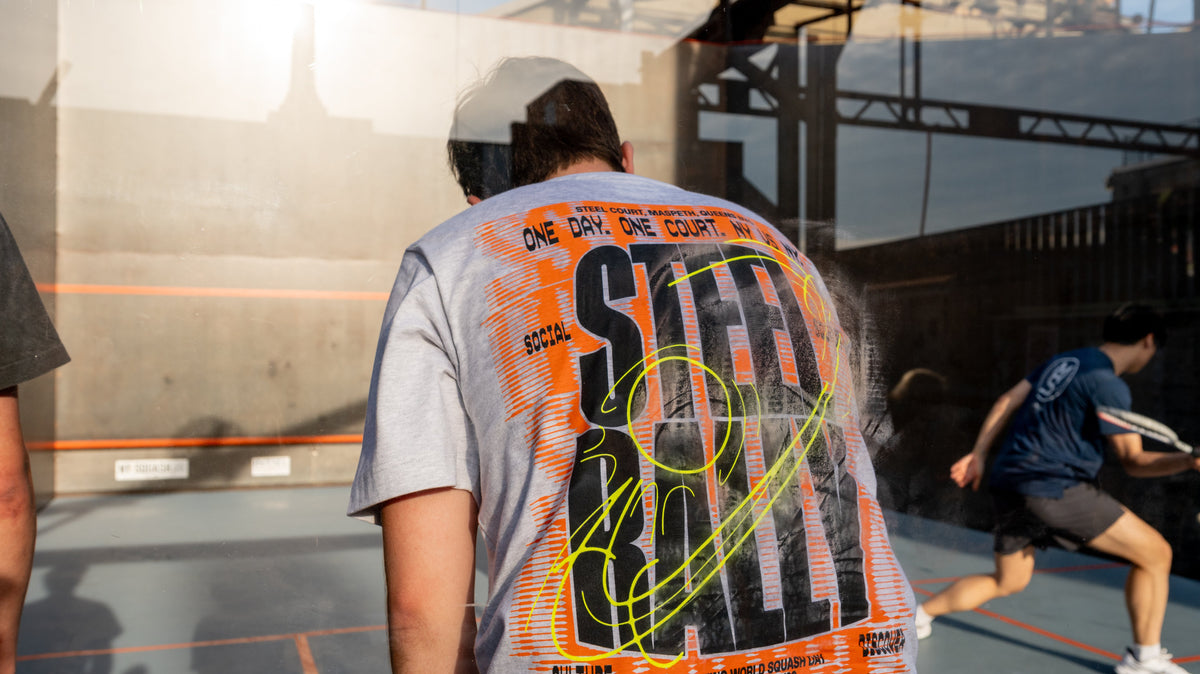
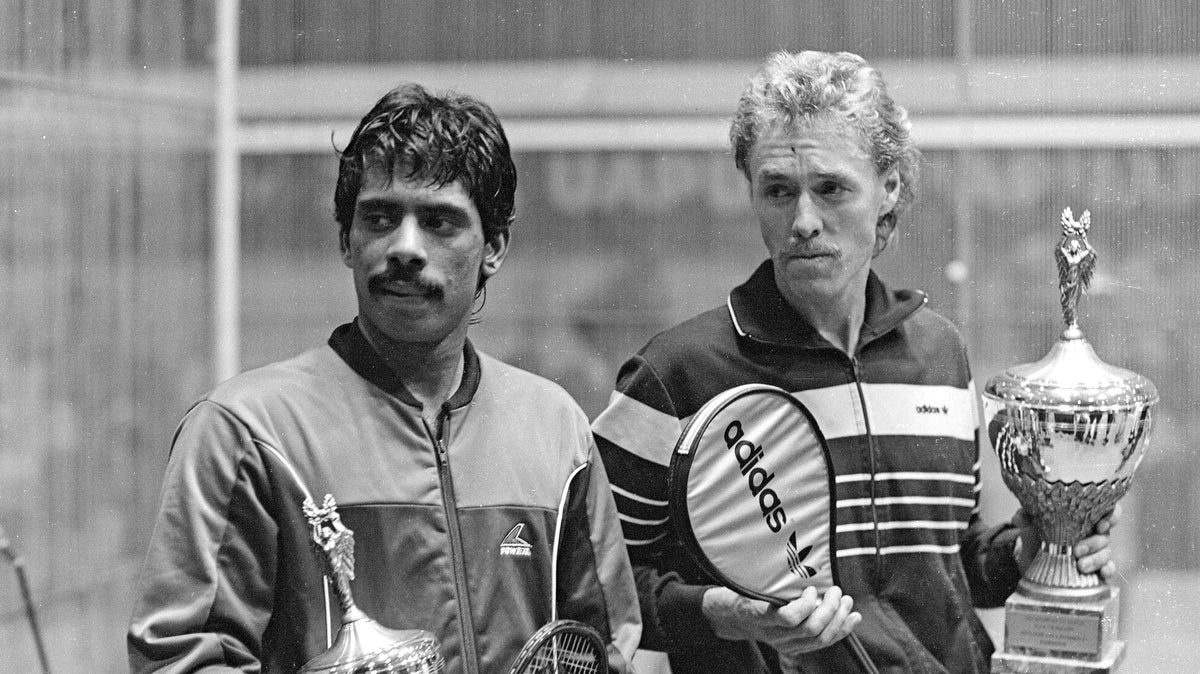
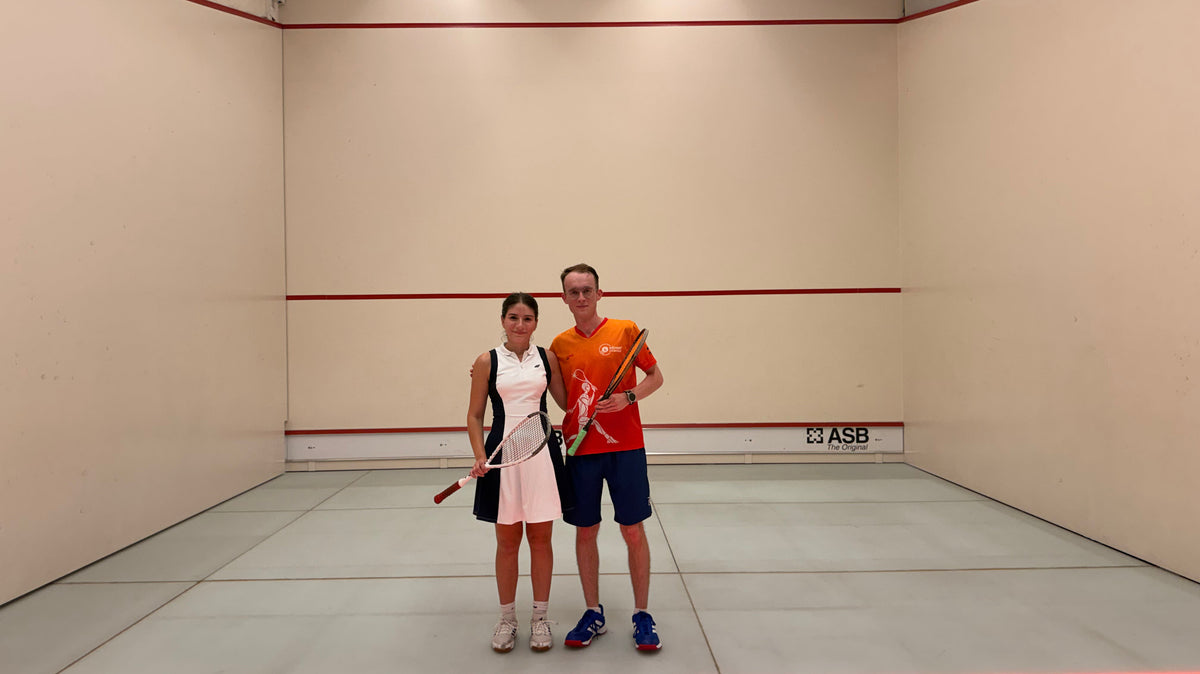
(Imagery courtesy of SEA)
"When a young person is handed a racket for the first time, they see great possibilities," Dodson tells Squash Player. "But we know that multiple challenges can get in the way of them achieving that crucial sense of community and social capital in the sport."
To delve deeper, Dodson and Legg spoke to 40 people, mostly African-American, between the ages of 18 and 65+. They were particularly focused on how squash offered these participants a 'psychological sense of community' (PSOC) and 'social capital'.
As the research explains: "To meaningfully diversify squash, stakeholders must first understand how those already inside the sport, particularly young players of color, not only gain access to the sport, but also whether participation translated into a genuine sense of community. While extant research has highlighted the developmental and social benefits of sport participation, less is known about how players of color experience community with sport, historically associated with white and elite identities.
"It is important to understand how players of color gain entry into squash, where do they experience belonging, and what facilitates and hinders that belonging? Do those experiences also facilitate the personal and professional opportunities available through squash participation? The study addresses these questions by exploring the lived experiences of racially diverse young adult squash players in the United States."

Perhaps unsurprisingly, researchers found multiple structural barriers including costs, travel and court access that young people found prohibitive.
But the cultural barrier of negotiating squash's white, elitist reputation was even more pronounced.
“Being black and playing squash is definitely not a normal thing at all,” said one respondent, Javier.
Participants reported forms of exclusion and hostility that were rarely overt, but which "created a social context where they had to work to maintain their sense of worth and belonging."
For example, one respondent said an opposition team assumed they were basketball players. Another felt he could only gain acceptance by performing on court. Several said the lack of diversity felt alienating.
Alana said: "It was kind of hard going to different tournaments, and then not seeing people that look like me, but then being expected to act like them on court.”

Some highlighted 'symbols', such as all-white clothing rules, as well as microaggressions, a homogenous environment, and a general feeling not being welcomed.
However, with the support of family, friends and coaches, many participants were able to access the many benefits that sport, squash in particular, can provide.
These benefits include individual personal growth, the social benefits of a sense of community, and social capital networks (in layman's terms, access to a beneficial social circle).
"Some of the closest guys I've developed relationships with, I met through squash. One of them even helped me get my current job," said Darius.
Malik explained how squash has acted as a networking platform, providing connections and credibility: "Part of the benefit is the people who play it, especially for me as a young professional. It's helpful knowing or being able to build rapport with people who are a lot more senior in the industries I'm interested in."
The research showed a strong culture of 'giving back' amongst those who had negotiated these cultural barriers within the game and wanted to help others do the same through mentoring, emotional support and forging social connections.
While many were able to access squash's positive impacts, the report concluded that "in order to attain these benefits, participants were often forced to navigate ongoing barriers and code-switch to the existing cultural norms."
Click here to read Access Is Not Belonging: Negotiating Psychological Sense of Community and Social Capital in U.S. Squash