



“When young people are given early access to squash in the right environment, connection and confidence come very quickly.”
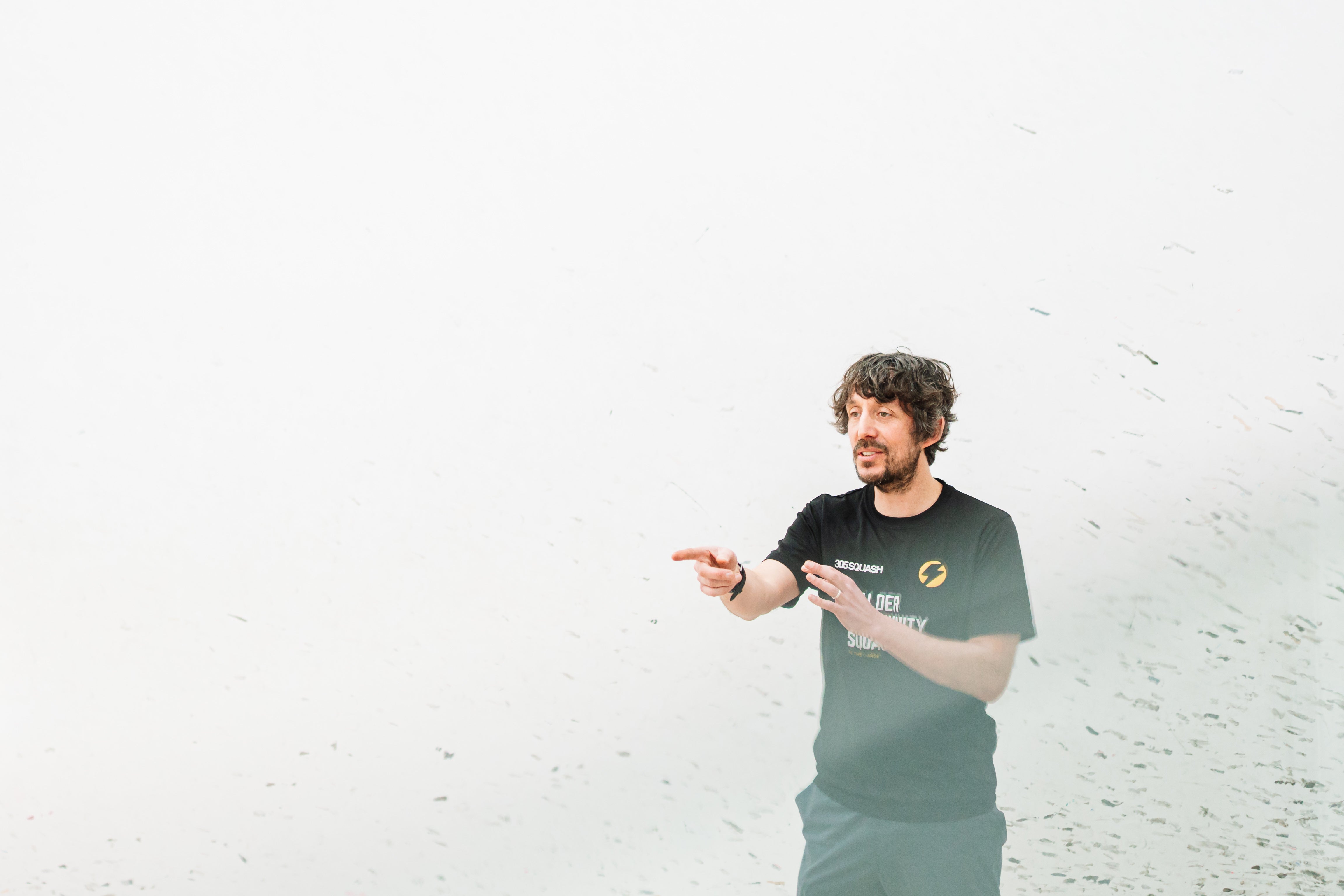
Those are the words of Andy Widdison, one half of Kimaa Squash - a new urban outreach squash programme launched in Amsterdam in December.
At its heart, Kimaa Squash is built on a simple belief: that squash can be more than a sport. In the right setting, it can be a bridge — to increased confidence, greater community spirit, and a sense of belonging.
“That first feeling of belonging can change how young people see both the sport and themselves,” adds Widdison.
Founded by Widdison and Rich King, Kimaa works with young people from underserved communities, using the game as a way to support social integration and wellbeing for those who might otherwise never step on court. For many young people, access to sport is shaped less by talent than by circumstance. Facilities feel distant. Equipment costs money. Coaching feels out of reach. And squash, despite its strong community culture and relatively small footprint, often remains invisible — hidden behind walls.
In December, Kimaa Squash delivered its first official programme day, welcoming 29 children for an introduction to squash — all of them first-timers. Hosted at the iconic Frans Otten Stadion, the day gave participants access to 21 squash courts in a space designed to feel open, friendly and inclusive, rather than intimidating. Many didn’t even realise squash courts, let alone facilities of this scale, existed so close to home.

On court, sessions were led by Rich King Coaching, whose team focused on energy, fun and curiosity. This wasn’t about technique or results. It was about enjoyment — laughter, movement, and discovering that the game could belong to them.
“For many of the children, simply walking into the venue that morning was a powerful moment,” says King. “Being exposed to spaces they didn’t know were open to them can completely change how they see what’s possible.”
The programme was deliberately designed to look beyond squash alone. Community partner organisations worked closely with schools, teachers and parents to support the day, making sure every child felt safe, welcome and comfortable.

Healthy snacks, fresh fruit and a balanced lunch kept energy levels high, but just as importantly, the day created a shared experience — one built around care, encouragement and trust.
The response was immediate. Almost every participant said they enjoyed squash, and many wanted to keep playing.
That enthusiasm didn’t disappear when the day ended. Crucially, Kimaa Squash was built with continuity in mind.
Following the December session, a number of participants have now moved into regular junior coaching programmes at Frans Otten Stadion with Rich King’s team. These sessions are fully funded through Kimaa Squash, removing financial barriers and allowing interest to turn into habit.
“One-off experiences can spark something,” says Widdison. “But continuity is where real impact lives. Making sure children who enjoy the experience are able to keep playing is where real change happens.”
Still in its infancy, Kimaa Squash’s current focus in on young people, wwhere early access can have the greatest long-term effect. Over time, the ambition is to expand into other communities facing social integration challenges — always with the same emphasis on quality, care and sustained participation.
⸻
Get Involved with Kimaa Squash
If you'd like to support the programme, explore partnerships, or learn more about how squash is being used to strengthen communities in Amsterdam, you can find Kimaa Squash here:
Instagram: https://www.instagram.com/kimaasquash/
Email: contact@kimaasquash.org