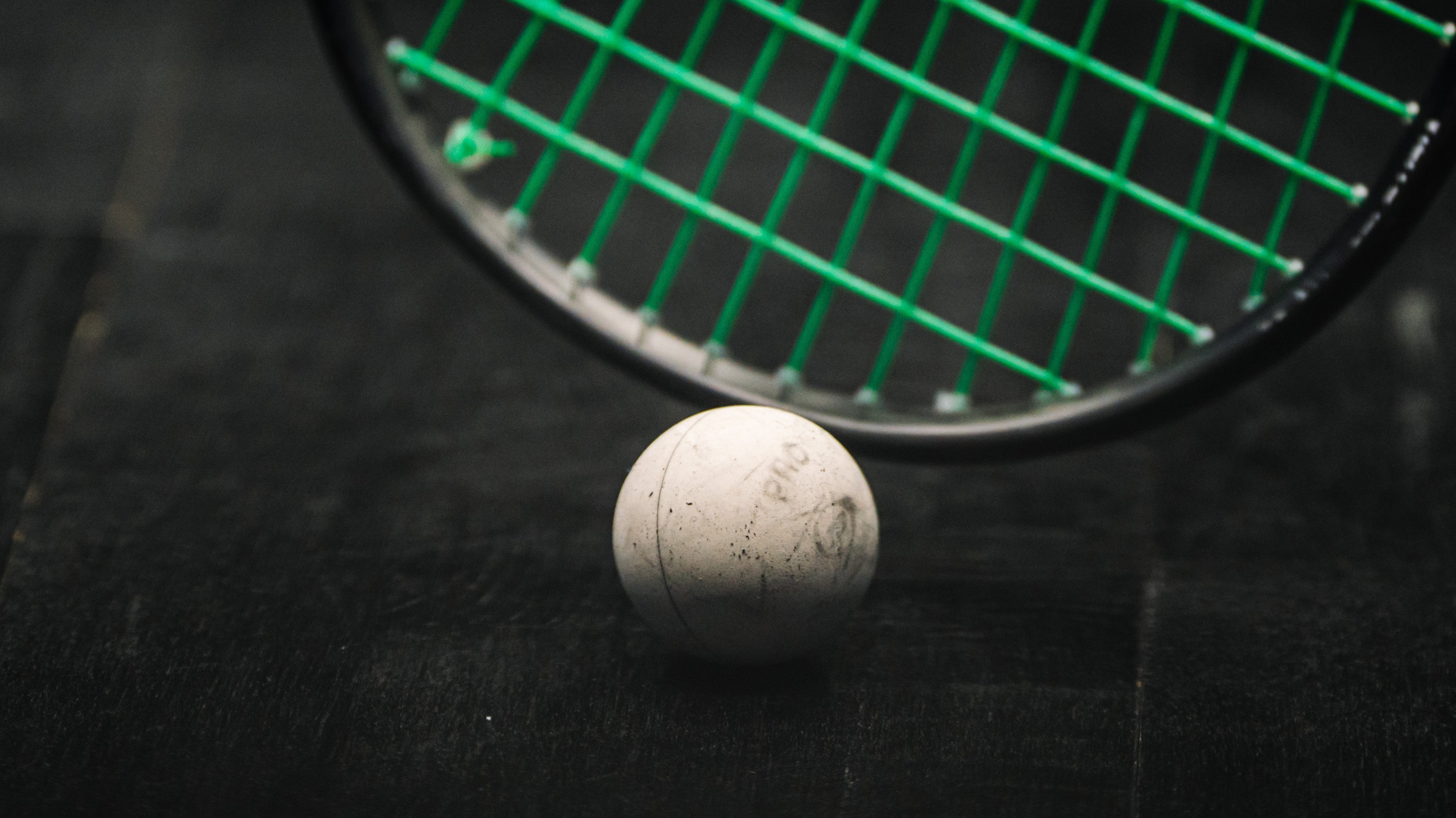




Alongside a racket, the humble squash ball is an essential if you are to ever step onto court and enjoy all that the game of squash has to offer.
However, for the uninitiated, the world of squash balls is far from straight forward.
Unlike tennis, where for most people any ball in a can will do the correct job, squash balls come in different shapes and sizes – with the speed (essentially how much the ball bounces) varying across offerings and having a huge impact on your ability to play the game and derive a scene of athletic enjoyment from it.
So, here’s our attempt at simplifying things to help you out.
Why Are There Different Balls?
Squash balls come in different colours and sizes – they’re all aimed at helping you choose the right ball to suit your level of play and fitness.
The different coloured balls – which can be different in colour or just have different coloured dots – are designed to bounce differently and behave differently in certain conditions, making squash balls quite a unique piece of sporting kit.


What Are My Options?
Walking into most leisure centres, you’ll be presented with a double-dot yellow squash ball – this is the ball that most people will be familiar with if they’ve ever come into contact with squash before.
However, for the vast majority of players, this is not the correct ball for them.
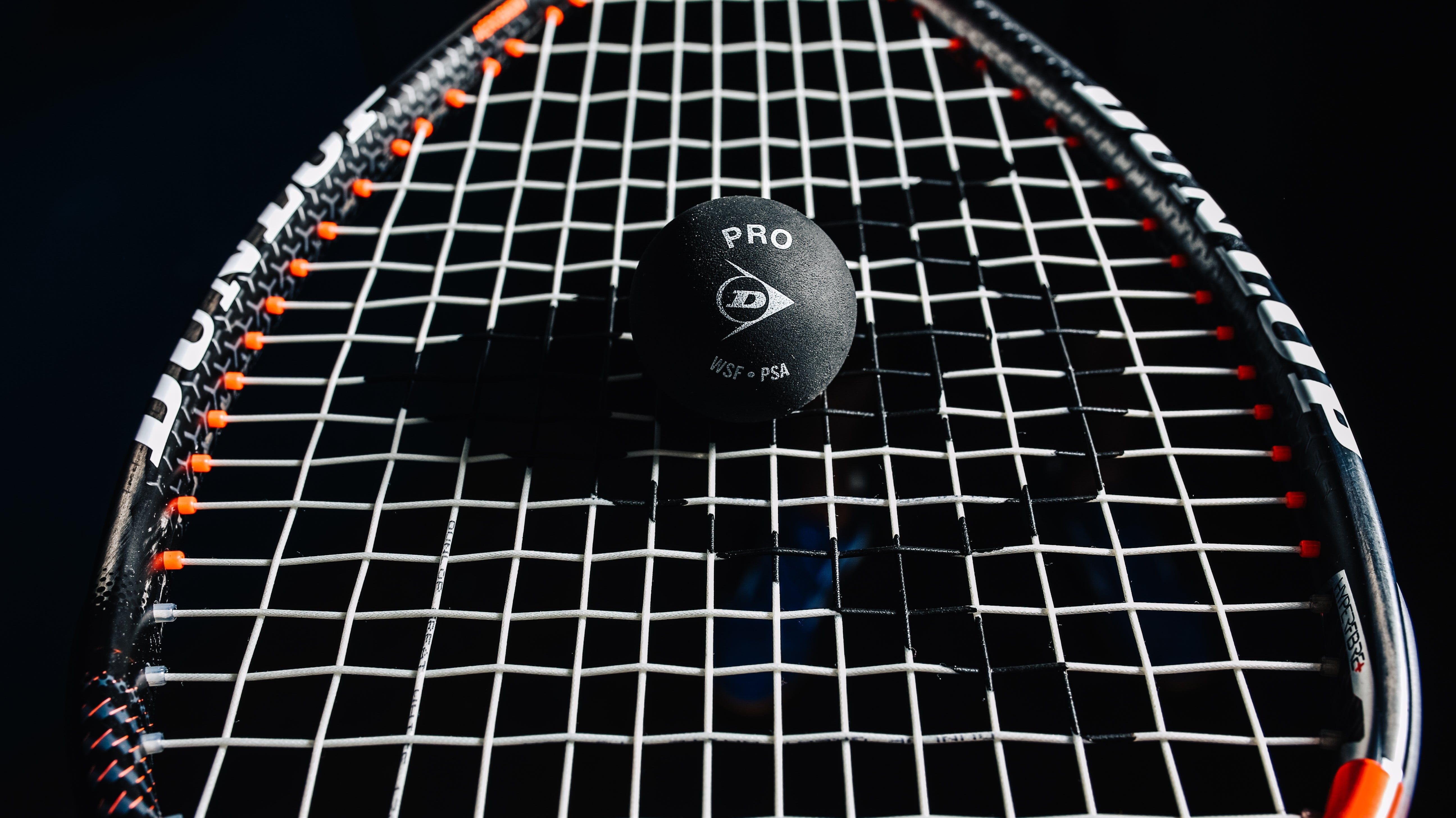
The double-yellow dot ball is aimed at ‘professional level’ players – and as such, it has characteristics designed to make it suitable for the very best players of the game. At room temperature, and when dropped, a double-yellow ball will have almost zero rebound.
Once warmed however, they bounce a lot – over twice as much as in their cold state.
Warming A Ball
Lets diverge for a second and discuss the warmup for in squash, not only must you warm your body up, but the ball must also be warmed up.
Squash balls are made from a rubber construction, and when warmed adequately, they become more elastic have greater rebounding properties – squash ball categories relate to their characteristic in their warm state, not their cold state.
In competitive matches, players have 5 minutes to warm up the ball to the necessary level prior to play beginning – so the warming of the ball is vital.
To warm the ball, it requires a player’s level to be such that they can hit the ball sufficiently hard, and repeatedly, for a long enough duration to get it to a state of readiness. If a player’s level is not to that where they can sufficiently warm up a ball, that is a sure signal that they are playing with a ball that is beyond their level.
Squash balls used by professional players are hot to the touch and feel like mini hot coals, if you were to hold one after a particularly hard-hitting rally.
Court conditions also play a major role in determining what ball the average player should use. For amateurs the inability to get a ball warm will result in a ‘dead’ bounce – a ball that doesn’t rebound as it should – and leave you playing a game that rewards ‘poor’ play (think a framed shots and mishits) instead of rewarding ‘good’ play (perfect lengths).
The Choices
Back to the choices – remember choosing a ball above your level, i.e. the one you cannot heat correctly, removes a degree of skill from the game, making it easier to hit winning shots and requiring less fitness and tactical play.
2-Dot Yellow
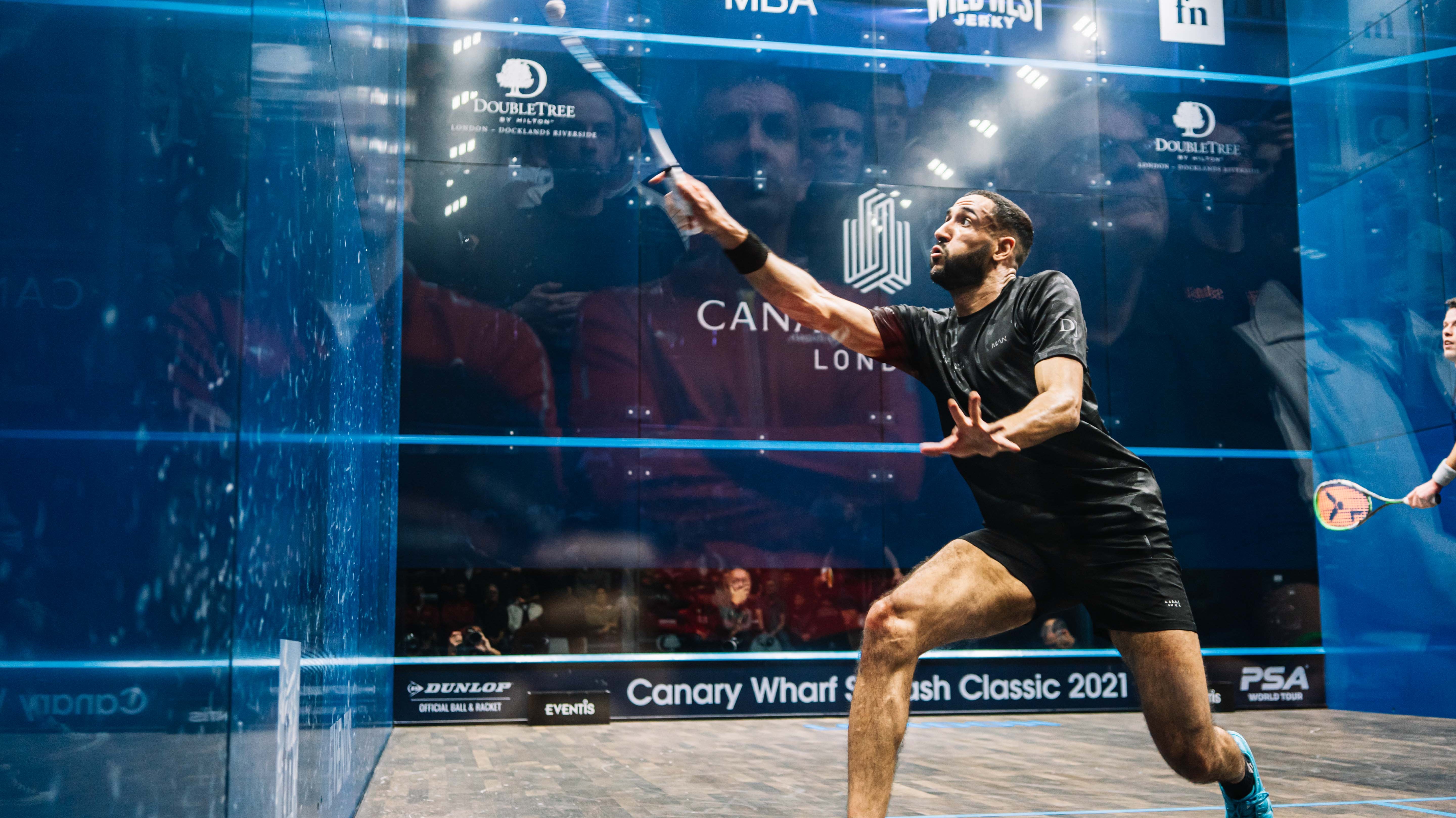
As previously stated above, this is the ball of choice for the best players in the world and the competition ball used on the PSA Squash Tour – so used by players who are capable of hitting the ball with sustained, intense speed and pressure over a long period of time.
Single Yellow-Dot
Designed for regular club players or for use by more skilled players during winter when the courts are colder.
Red-Dot
This ball is perfect for improvers or recreational players. It can be larger in diameter|(depending on the manufacturer) and is recommended for players looking to develop their technique as it doesn’t require the player to hit the ball as hard to retain bounce.
Blue-Dot
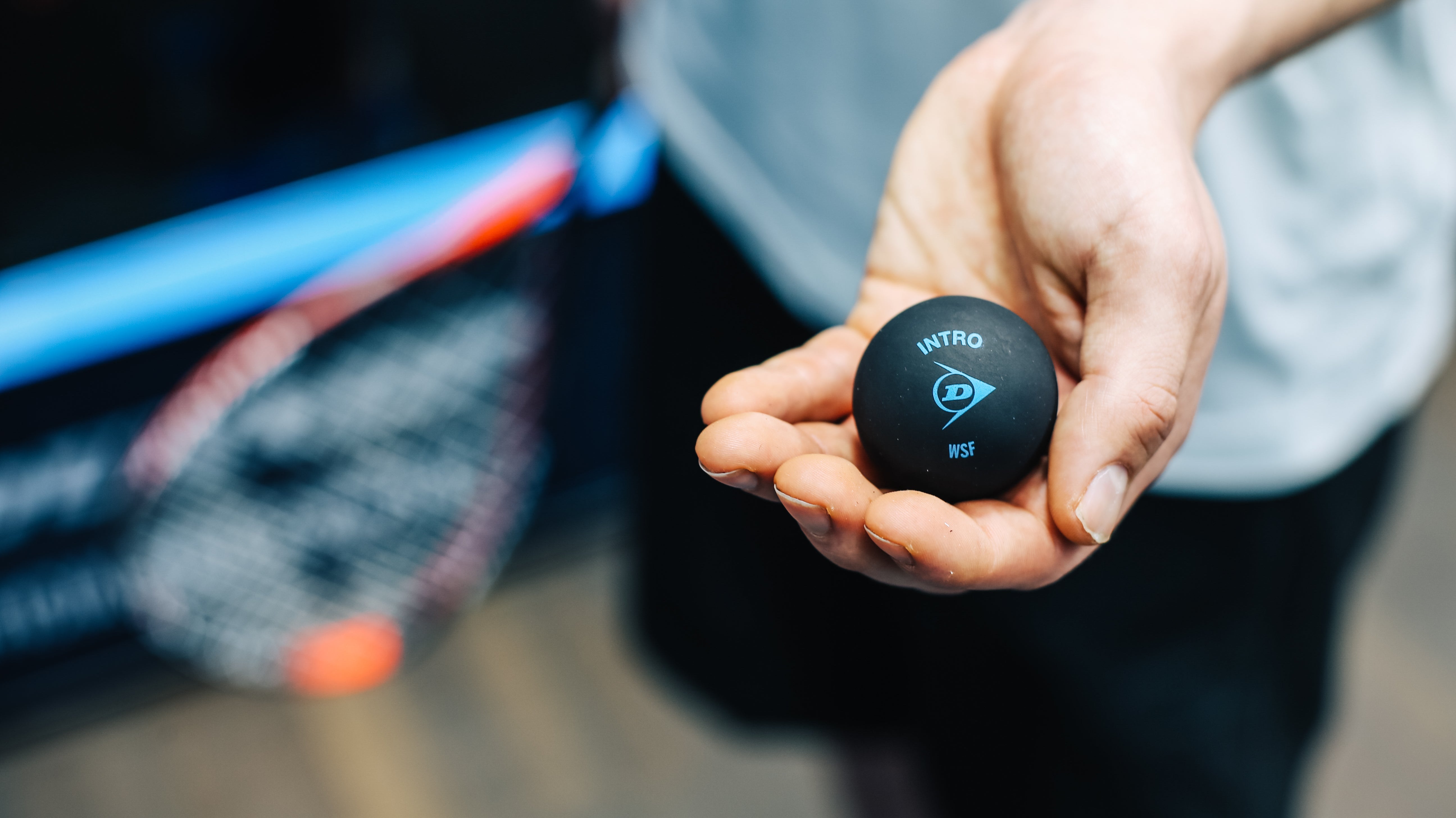
Ideal for beginners, the blue dot ball requires almost no warming prior to play and therefore can help new players get to grips with the sport’s dynamics and to help keep rallies alive.